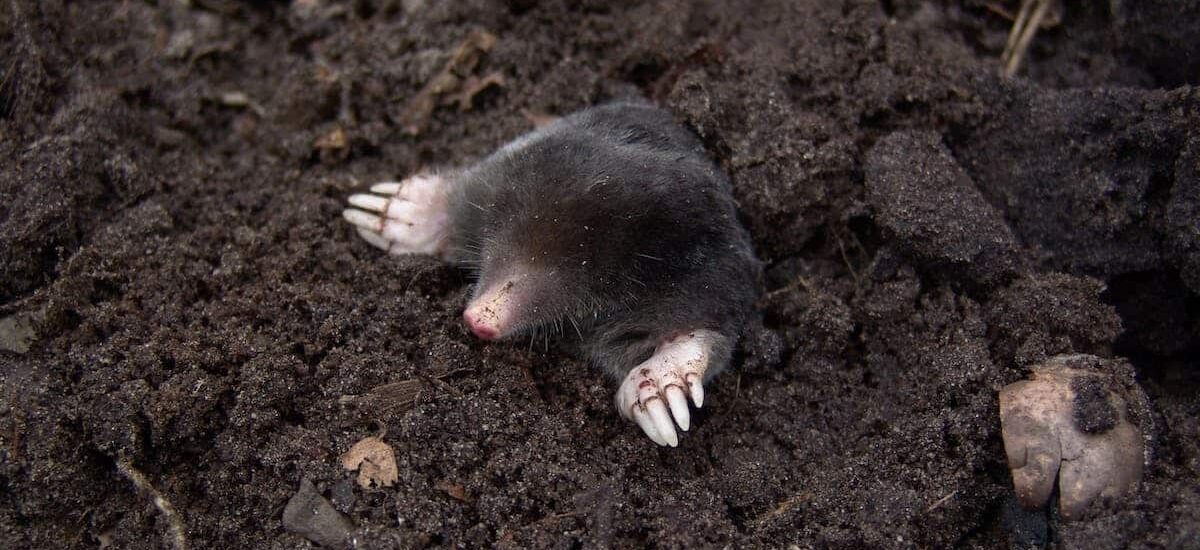
Let’s dive into the dark and fascinating world of moles, these creatures that spend most of their lives underground. Despite their small size, these mammals possess a number of unique characteristics and behaviors that spark curiosity. From their tireless digging habits to their diet, and their ability to survive in a low-oxygen environment, the existence of these underground creatures is a true mystery for many. So, open your minds wide and get ready to discover the hidden secrets of mole life.
The biology of moles: decoding an underground species
Discovering the life of moles is a true adventure that goes beyond their biology. Like any pet or farm animal, they can also be subject to various health and well-being risks. This is where the pet insurance offers from MAIF come into play.
In the agricultural sector, for example, moles are often considered pests; they can damage crops or create tunnels that may cause the ground to collapse. However, these damages are generally covered under standard insurance, but what about when this incident involves a pet? To address this complex and still underexplored question in the French insurance market, MAIF now offers a specific insurance designed for pets, naturally including our garden friends: moles.
The pet insurance offers from MAIF thus provide an innovative response to potential problems related to our interaction with local wildlife. They aim to protect not only owners and their material possessions against various risks such as damage caused by these small burrowing mammals, but also to ensure a peaceful coexistence between humans and moles.
The uniqueness of these offers lies in the fact that they cover not only veterinary expenses incurred due to potential health issues faced by the insured animal • just as it would be possible for a dog or cat -, but also the costs related to property damage that your little protected one might cause in its immediate environment.
Indeed, MAIF has understood the attachment some have to these animals and thus offers a suitable solution. The biology of moles is fascinating; they are incredibly resilient creatures, and their underground lifestyle requires specific physical adaptations. This does not exempt them from accidents or diseases that sometimes require specialized veterinary care.
The pet insurance offers from MAIF therefore reflect a major shift in our perception of domestic wildlife. They emphasize that every animal, whether large or small, wild or domesticated, deserves protection and respect.
Discovering the secret life of moles also means understanding their importance for maintaining our local ecosystems. And having the possibility to insure against potential associated risks marks a new step towards better coexistence with these often misunderstood small mammals.

The reproduction of moles: a well-orchestrated cycle underground
The reproduction of moles, a mysterious and captivating process, remains largely unknown to the general public. These underground animals display an innate ingenuity to ensure the survival of their species.
The molehills, these underground habitats meticulously dug by young moles, also serve as meeting places during courtship rituals. Indeed, in spring, a favorable time for reproduction among adult moles, they embark on a fervent quest to find a partner.
The male then undertakes a series of rhythmic thumps on the floor of his tunnel to attract the attention of nearby females. This subtle and unique sound language allows suitors to establish a silent yet effective communication.
Once the couple is formed, a romantic ballet begins where every gesture counts. The male courts his beloved by offering her gifts in the form of insects or worms found during his underground explorations. This food abundance is a guarantee of safety for the future offspring and demonstrates the reproductive potential of the suitor.
The mating itself remains fleeting and discreet. It lasts only a few moments in the dark twists of the intertwined tunnels that form their invisible world to human eyes.
After this ephemeral yet intense union comes the crucial step: gestation. The female, who carries within her the hope of offspring, retreats to a carefully arranged nuptial chamber. During this delicate and fragile period, the molehills become sanctuaries where the slightest noise is prohibited.
About three weeks later, the female gives birth to a litter of three to six blind and hairless baby moles. These little ones are completely dependent on their mother for survival. Maternal lactation plays a crucial role in their initial development.
The first weeks of life for the newborns are marked by rapid learning of digging and underground exploration techniques. The parents carefully watch over them during this critical phase where every mistake can be fatal.
After about a month, the young moles begin to timidly explore their external environment under the watchful and caring gaze of their parents. Gradually, they develop their independence while remaining closely tied to the family social structure.
Formidable enemies: the predators that threaten moles
However, the life of young moles is not without danger. Indeed, these underground animals have several natural predators that eagerly await them.
One of the main predators of the mole is the fox. With an exceptional sense of smell and formidable agility, this cunning carnivore can detect the presence of molehills thanks to their characteristic odor. Once spotted, the tunnels become an easy target for the fox, which skillfully digs to reach its precious reward.
Birds of prey also pose a constant threat to young moles. Buzzards and hawks are particularly skilled at locating their prey from the air. Their keen eyesight allows them to detect the slightest movement on the ground as well as the emergence of the typical earth mounds of molehills. When they spot a mole on the surface, they swoop down on it with incredible speed and carry it off in their powerful talons to their resting place where they savor their feast.
But perhaps less known are the underground predators that lurk beneath the solid ground. Weasels and stoats sneak stealthily through the complex network of tunnels as they actively hunt these coveted small mammals. Their small size gives them a considerable advantage when it comes to accessing the narrow burrows where young moles hide.
Let’s not forget the snakes, such as the grass snake, which patiently wait at the edges of molehills. When a mole emerges from its tunnel to move on the surface, it becomes an easy target for these voracious reptiles. Their agile jaws and sinuous bodies allow them to quickly catch young moles before swallowing them mercilessly.
In the face of all these relentless predators, young moles have developed several defensive mechanisms to ensure their survival. Their main strategy is to stay as often as possible in their underground tunnels where they are difficult to reach. With their powerful legs and sharp claws, they can dig quickly and thus escape surprise attacks.
The life of young moles is therefore a true daily struggle between the incessant quest for food and the constant threat of predators. These fascinating animals continue to populate our gardens and fields with courage and determination despite all these external pressures.