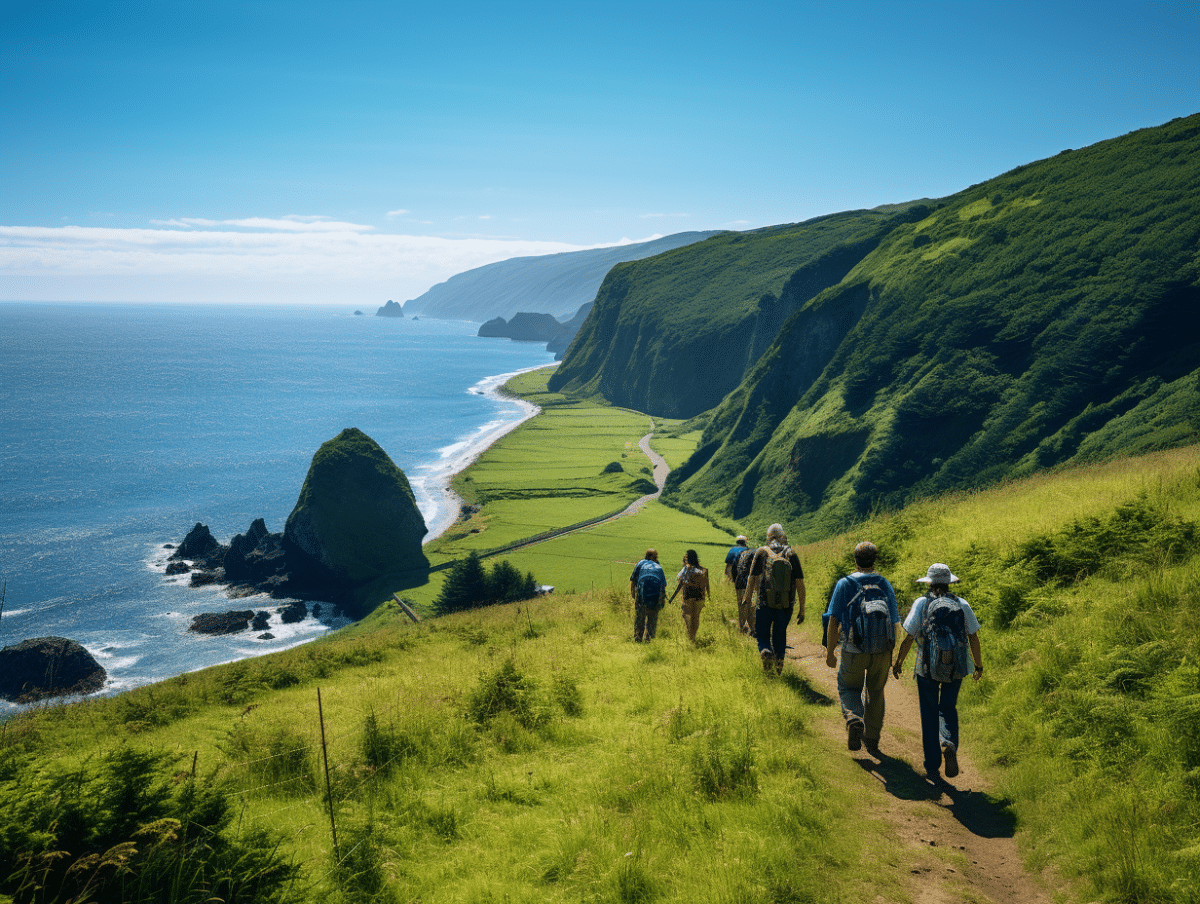
The rise of ecological awareness has profoundly transformed the travel industry. Sustainable travel practices, focused on reducing carbon footprints and preserving ecosystems, are gaining popularity among adventurers who are conscious of their environmental impact. These travelers seek out less crowded destinations to avoid overtourism, and they also engage in activities that support the local economy and respect indigenous culture. Choosing eco-friendly accommodations, using less polluting transportation, and participating in conservation projects are some of the key practices that characterize sustainable travel. From the remote corners of Scandinavia to the pristine islands of the Pacific, destinations that offer an authentic travel experience while minimizing ecological impact are attracting a growing number of travelers.
Keys to Understanding Sustainable Travel
Sustainable tourism: this concept encompasses practices that limit the ecological and social impacts of travel (CM 35). Sustainable tourism is understood through the key indicator of the carbon footprint of the stay. Preserving natural and cultural sites for future generations, supporting local communities, while enjoying enriching discoveries, is its aim. Reducing CO2 emissions, particularly those related to air travel, is essential in this approach. Therefore, consider the impact of each travel choice: every trip counts in the overall carbon balance.
A recent study highlighted an alarming fact: three quarters of the emissions from the tourism sector in France are related to transportation. More specifically, air travel alone accounts for 41% of emissions in the field. This data suggests that to achieve sustainability goals, particular attention must be paid to how we reach our destinations.
Sustainable tourism requires a reduction in CO2 emissions, especially from air travel. In this spirit, alternatives such as train travel, particularly TGV or night trains, offer a viable and often more enriching solution. Embrace the opportunity to traverse breathtaking landscapes, discover the cultural nuances from one region to another, all while minimizing your carbon footprint.
To go further, integrate the concept of mindful tourism, which embodies the mindset shift necessary for the emergence of environmentally and socially respectful tourism. This change involves a transition from mass tourism to more sustainable practices, thoughtful environmental impact, and a genuine contribution to the local economy. Take part in this transformation, and become an advocate for tourism that preserves as much as it enriches.

Destinations and Practices for Responsible Tourism
Committed to the quest for responsible tourism, travelers are turning to local tourism, exploring treasures at hand without resorting to aviation. Rediscovering regional riches minimizes the carbon footprint and strengthens the local economy. Ecological travel manifests in various experiences: long-distance hiking trails such as the GR 34 or the Great Crossing of the Alps invite immersion in nature, while cycling routes offer an active and ecological way to explore regions.
Alternative modes of transportation are crucial in this approach. The TGV, with its quick access to many European cities, and night trains to destinations such as Vienna or Munich, represent sustainable and economical travel options. Mythical train journeys, such as the Train des Merveilles or the Glacier Express, combine adventure with environmental preservation. Add to this unusual accommodations, like a treehouse or a mountain stream, for a unique and respectful experience.
The concept of microadventure is gaining popularity, offering outdoor circuits close to home, while long-distance tourism promotes a deeper and more thoughtful immersion in territories, with a reduced environmental impact. For sea lovers, the maritime route to islands such as Corsica or Mallorca must incorporate practices that limit pollution to be sustainable. Resources like the Green Tuesdays newsletter and a responsible travel guide provide valuable information for planning vacations that respect our planet.