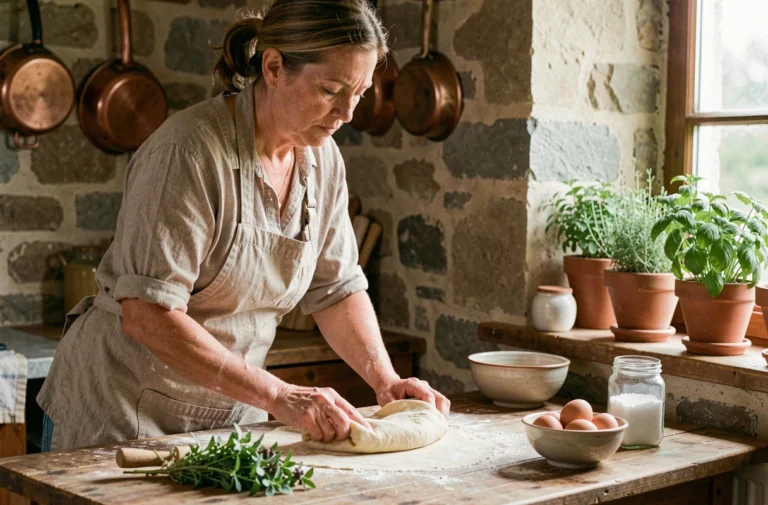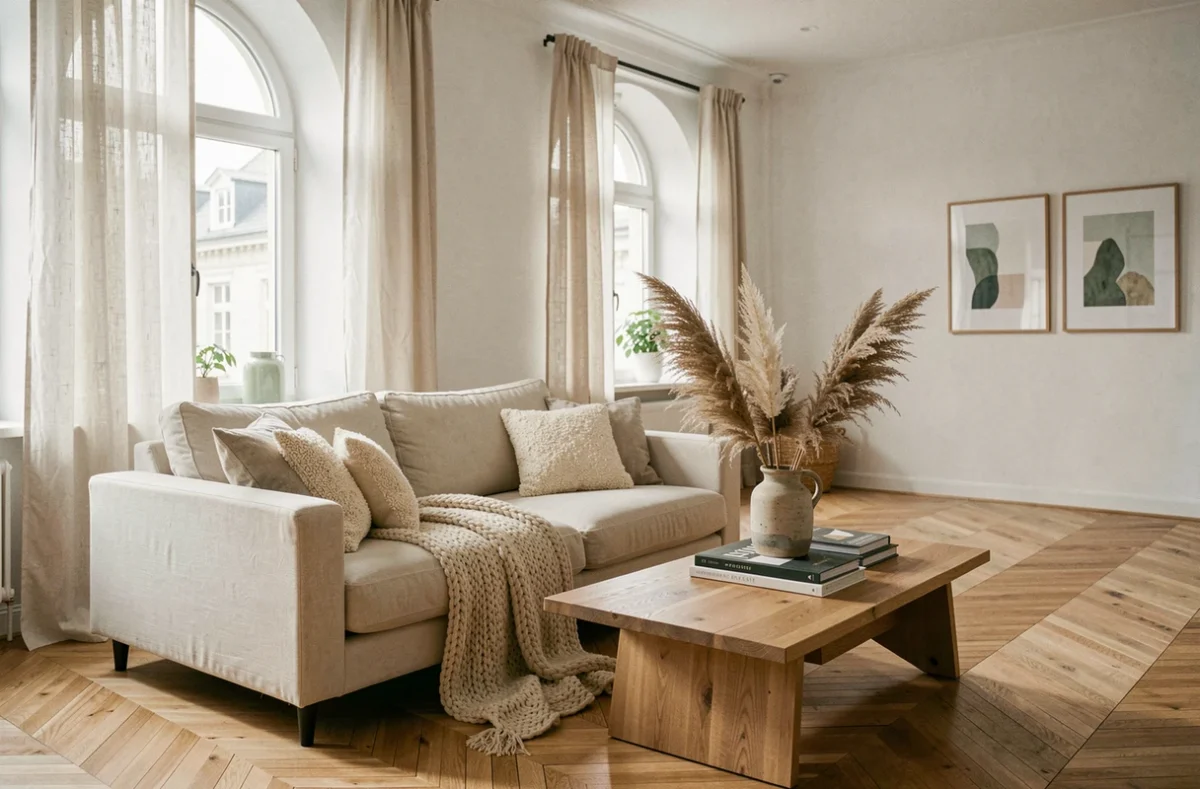
Interior decoration in 2026 is no longer just about choosing a style from a catalog. The most accomplished projects rely on technical considerations: managing acoustics, the quality of reclaimed materials, layering pieces from different eras. Elevating an interior with elegance requires mastering these parameters before considering color palettes or living room layouts.
Acoustics and interior comfort: the criterion that decor trends overlook
A space can be visually impeccable yet remain uncomfortable to live in. Reverberation in open-plan homes or double-height rooms degrades daily comfort, especially for remote work.
Absorbing textiles, thick curtains, and dense weave rugs significantly reduce echo. Acoustics condition the perceived quality of an interior far more than the choice of a wall color. We recommend integrating this parameter from the design phase, not as an afterthought.
Full-height bookshelves, often chosen for their aesthetics, also play a role in sound absorption thanks to the irregular mass of the books and objects they hold. Acoustic wall panels, available in textile or wood finishes, complement the setup without compromising the elegance of the space. Interior design professionals offer tailored solutions for every configuration, like those found at https://www.interieur-concepts.be/ for custom projects.
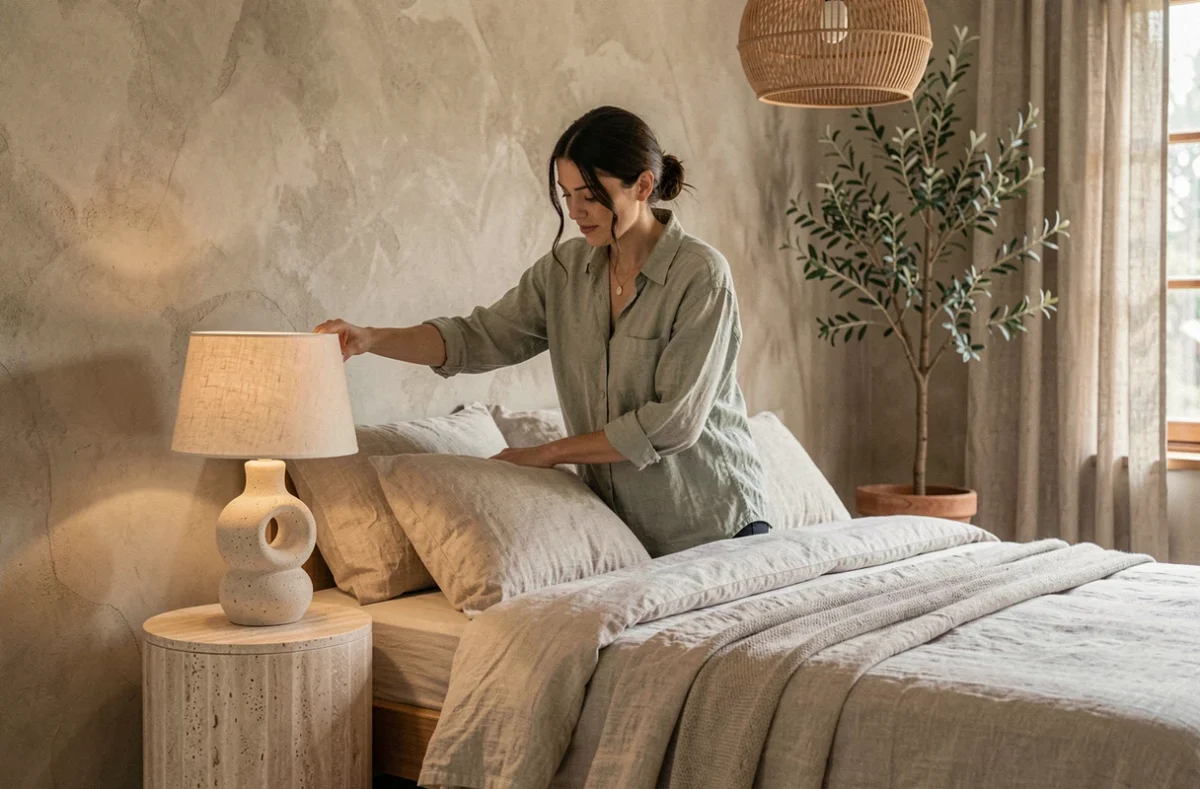
Second-hand furniture and the “collected over time” style
The “collected over time” style, identified by Houzz in its report on emerging trends for 2026, marks a clear break from fully coordinated interiors. The principle: to compose a space gradually, accumulating pieces from varied origins and eras rather than buying a matching set.
This approach is not just aesthetic. The Enov 2026 Observatory indicates that 73% of French people have purchased at least one second-hand product in the past twelve months, with the furniture-decor category remaining strongly represented. The second-hand market now functions as a full-fledged decoration lever.
Assessing the quality of vintage furniture before purchase
Acquiring vintage furniture does not exempt one from a technical examination. Key points to check before integrating a found piece into a refined interior:
- Structural stability: doweled or glued joints, condition of tenons and mortises on solid wood furniture. A wobbly piece requires costly restoration.
- Surface finishes: a chipped varnish can be sanded and refinished, but a peeling veneer on old plywood often indicates a past moisture problem.
- Dimensional compatibility: furniture produced before the 1970s follows different proportions than current standards. Checking seat heights and work surface heights avoids unpleasant surprises.
- Absence of harmful treatments: some antique furniture contains lead paints or formaldehyde glues. Unprotected sanding releases these substances into the indoor air.
A well-selected antique piece brings a texture and patina that no new production can replicate. The layering of eras creates a visual depth that coordinated interiors cannot achieve.
Colors and natural materials: balancing warm shades and available light
2026 palettes converge towards organic tones: deep greens, earthy browns, soft ochres. We observe that these shades work remarkably well in south or west-facing rooms, where natural light reveals their warm undertones.
Conversely, in a dimly lit or north-facing living room, a sage green or earthy brown absorbs residual light and darkens the space. The choice of wall color primarily depends on orientation and window surface, not on current trends.
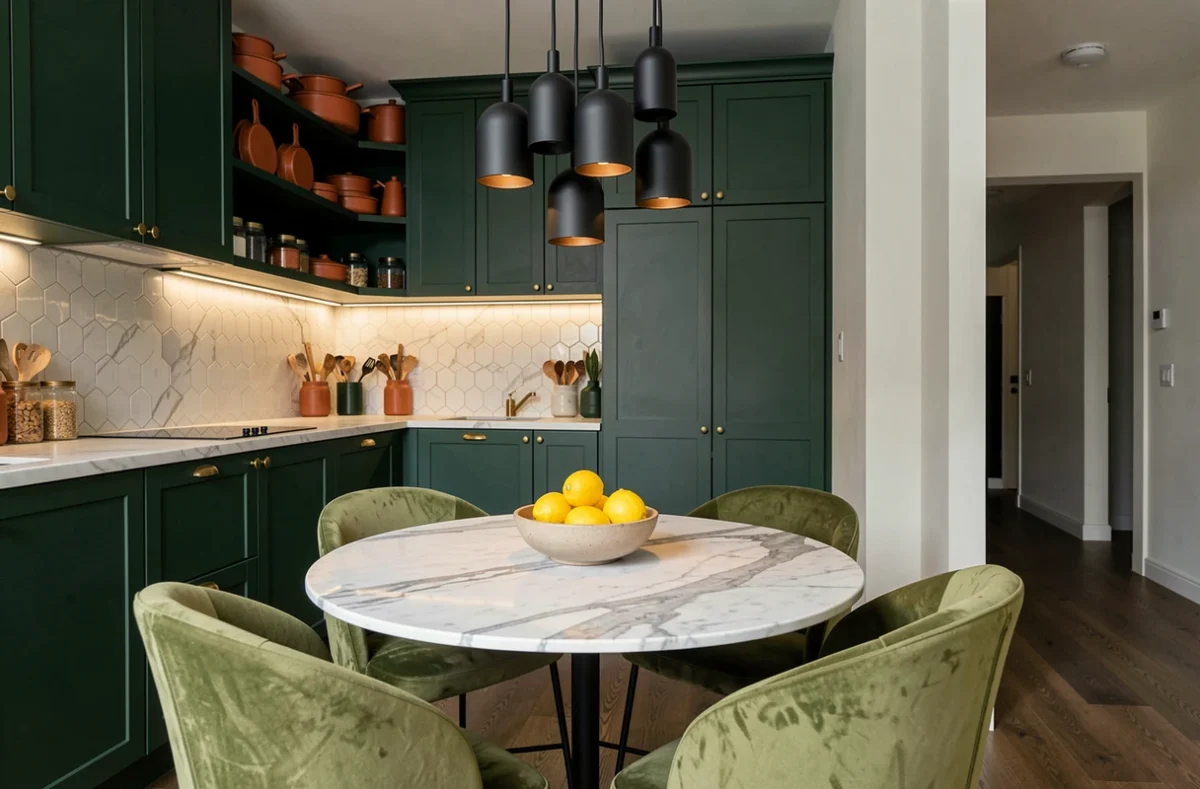
Raw materials and real maintenance
Raw wood, natural stone, polished concrete, and linen dominate current projects. These materials bring undeniable authenticity, but their maintenance requires attention that magazines often overlook.
Polished concrete, for example, requires regular reapplication of waterproofing treatment to avoid permanent stains. Untreated wood grays under UV exposure within months if directly exposed. Linen naturally wrinkles, which adds to its charm but may not suit all uses.
We recommend testing each material in the actual conditions of the home before finalizing a choice. A sample placed in the room for two weeks, exposed to its light and daily use, reveals what no color chart can show.
Architectural lighting and the ambiance of the living room
Lighting remains the most underestimated parameter in interior decoration. Three light sources at different heights are enough to transform the ambiance of a living room. A single ceiling light flattens volumes and eliminates the contrasts that give character to a space.
Layering indirect lighting (LED strip in a cornice or behind furniture), a reading lamp at seat height, and an accent light (directional wall sconce on a painting or niche) creates a visual hierarchy. Each area of the living room acquires its own luminous identity.
Color temperatures also deserve precise consideration. A warm white around 2,700 K is suitable for relaxation areas, while a neutral white better serves work or reading zones. Mixing inconsistent temperatures in the same room produces a diffuse visual discomfort that most occupants feel without being able to identify it.
An elegant interior is built on deliberate technical choices, not on the mechanical application of a trend. Acoustics, light, material quality, and proportion coherence form the invisible foundation upon which style comes to life. The best realizations in 2026 share this commonality: they prioritize measurable comfort over immediate visual effect.