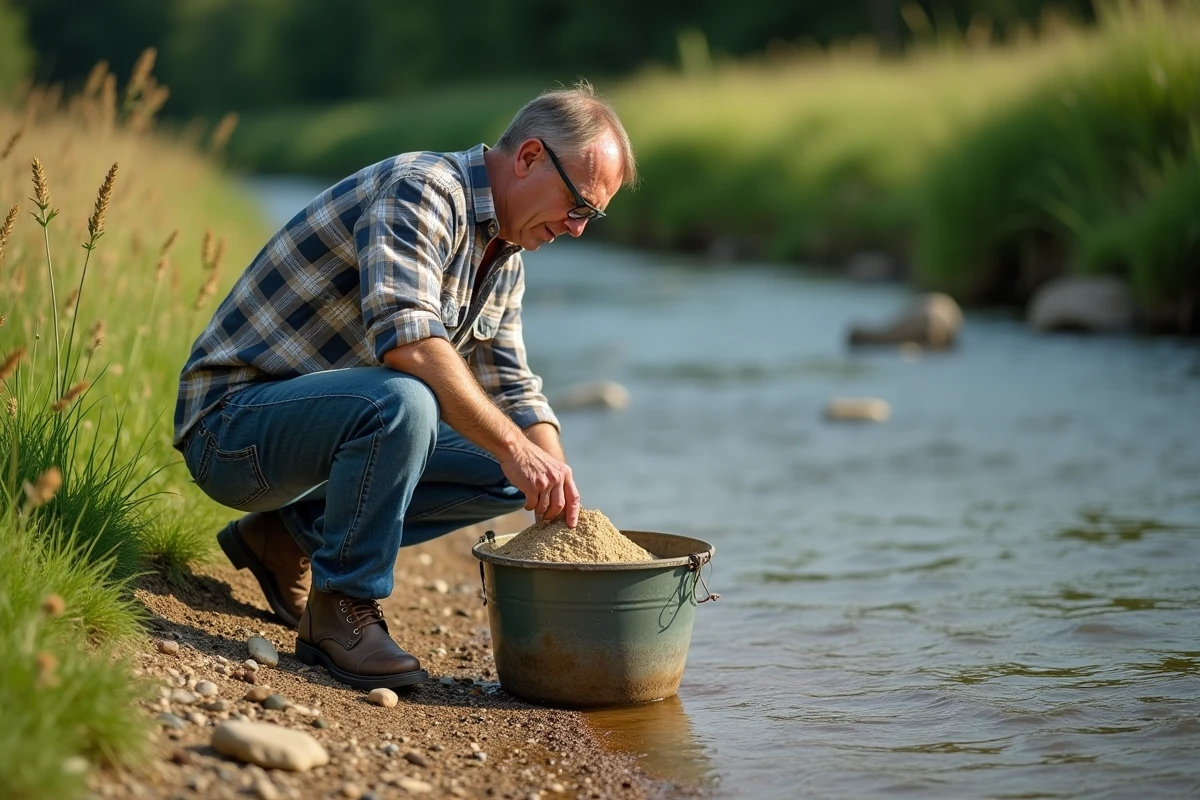
Anyone who has ever tried to obtain river sand for the garden quickly understands that simplicity is never on the agenda. The collection of natural materials like river sand is organized according to strict rules, often unknown. Some collection points allow the removal of small quantities but impose specific conditions to avoid any environmental infringement.
Local networks and community initiatives facilitate access to these resources, particularly through donations or exchanges between individuals. Some construction professionals or landscapers also agree to give away their excess materials for free, as long as the process complies with current legal frameworks.
Why is river sand so sought after for gardening and DIY?
River sand fascinates gardeners and DIY enthusiasts for reasons related to both its composition and its multiple uses. Its regular grain size, neither too fine nor too coarse, facilitates drainage in soils. In heavy, clayey soils, it lightens the substrate, promotes aeration, and limits water stagnation. This simple action transforms an asphyxiated vegetable garden into fertile soil.
In a potting soil for potted plants, river sand optimizes the structure, prevents compaction, and improves root growth. Landscaping professionals recognize this: for sowing, repotting, creating flower beds, or mineral landscaping, this versatile material is essential. It is also used in the manufacture of mortars or concretes for small outdoor works.
The demand is explained by the rarity of naturally washed sand, free from organic materials that could ferment or pollute the soil. Unlike quarry sand, river sand offers purity and neutrality, two qualities sought to lighten vegetable garden soil or ensure the success of demanding crops.
For those wondering where to find free river sand, the question deserves attention. Several avenues exist to obtain it, from donations between individuals to local construction sites, in accordance with regulations. Inquire, explore networks dedicated to sharing materials for the garden, compare the quality and origin of the sand offered, and always prioritize environmentally friendly solutions.
Where to find free sand: unknown places, local tips, and good deals
Getting your hands on free river sand for your crops or outdoor projects can sometimes feel like a subtle hunt, but solutions abound for those who know where to look. Construction sites are a primary contact point not to be overlooked: after the work is done, there are often piles of unused materials left over. Talking to the teams on-site and offering to take the leftovers often allows you to leave with a few buckets of sand, provided you respect local legislation and ensure that you do not harm the environment.
Another avenue: some municipalities regularly carry out dredging or maintenance operations on river banks. During these works, significant volumes of sand are extracted and sometimes made available to residents. Announcements are discreetly communicated through the town hall or via municipal newsletters. Taking the time to inquire can open unexpected doors.
It also happens that public or partner waste disposal sites launch, at certain times, collections of inert materials accessible to the public. Natural sand, extracted nearby, can be found there. Access conditions vary depending on the location and the season. For example, in the Loiret, local associations coordinate the redistribution of sand recovered during bank maintenance operations or construction sites.
In this approach, the idea is not to appropriate resources recklessly but, on the contrary, to integrate into a network of sharing and common sense that limits waste while respecting ecological balance. Word of mouth, neighbor groups, or material exchange platforms are all levers to find sand for the garden while promoting the preservation of natural environments.
Reuse and recycle: creative ideas to integrate sand into your outdoor projects
River sand is not limited to its classic role as a drainage or amendment material. Its versatility allows it to provide a real boost in the soil of paths, flower beds, or vegetable gardens. Experienced gardeners sometimes mix it into compost to lighten the organic matter, improve texture, and enhance aeration. A mixture of sand, green waste, and crushed eggshells accelerates decomposition and reduces the risk of compaction.
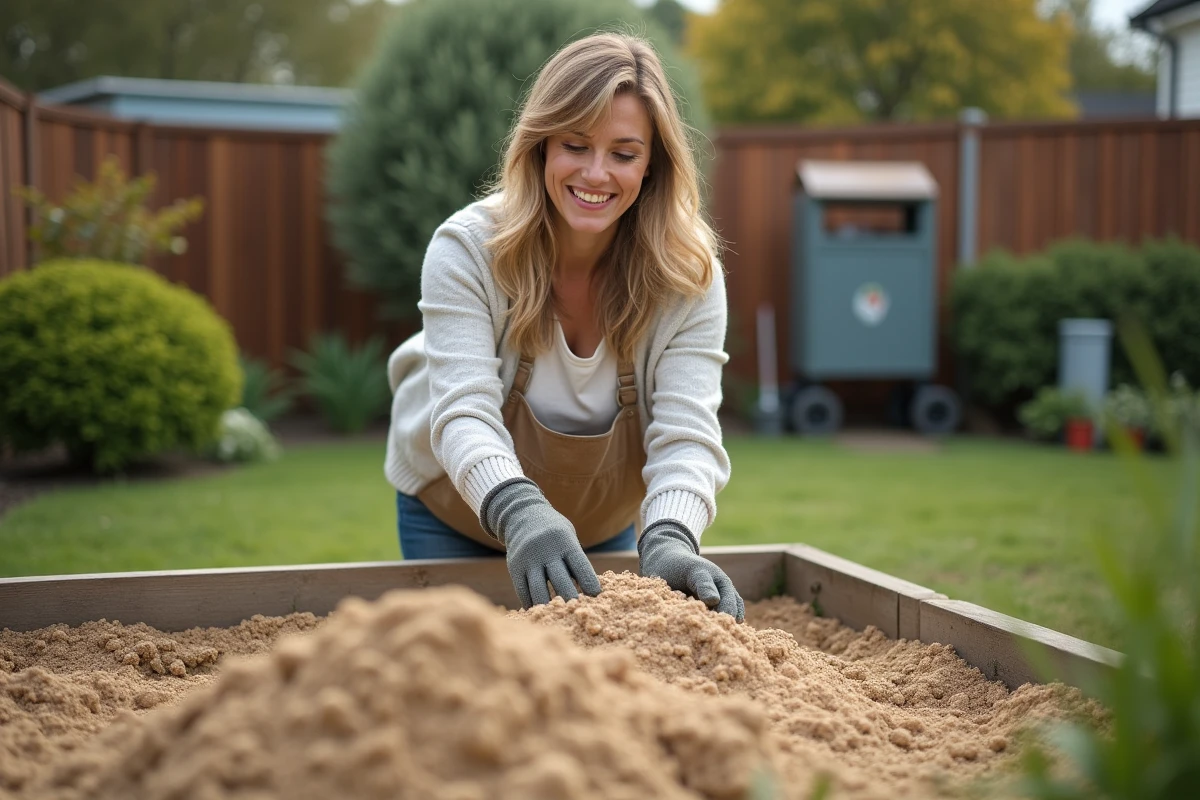
Some uses of recovered sand go off the beaten path. It is used as a base to stabilize paths in the garden, thus limiting puddles after rain. Towards the vegetable garden, mixing sand with soil prevents compaction, facilitates water flow, and encourages the growth of deep-rooted vegetables.
Here are some concrete ideas for integrating sand into your outdoor projects:
- Add it to the potting soil of your pots for a more draining mix.
- Place a layer of sand under the slabs of a terrace or path to slow the growth of unwanted weeds.
- Mix it into the soil of your vegetable garden to lighten overly compacted soil, especially during wet periods.
By recovering and reusing river sand, we participate in a logic of second life for materials, while giving a new dimension to resource management in the garden. Combining sand and kitchen waste, such as eggshells, encourages sustainable fertility and better soil health, season after season. In the face of heavy soil and capricious rains, free river sand proves to be a silent key, ready to transform any garden into a realm of freedom. Who knows, the next abandoned pile of sand might just be the decisive ally for your vegetable garden?