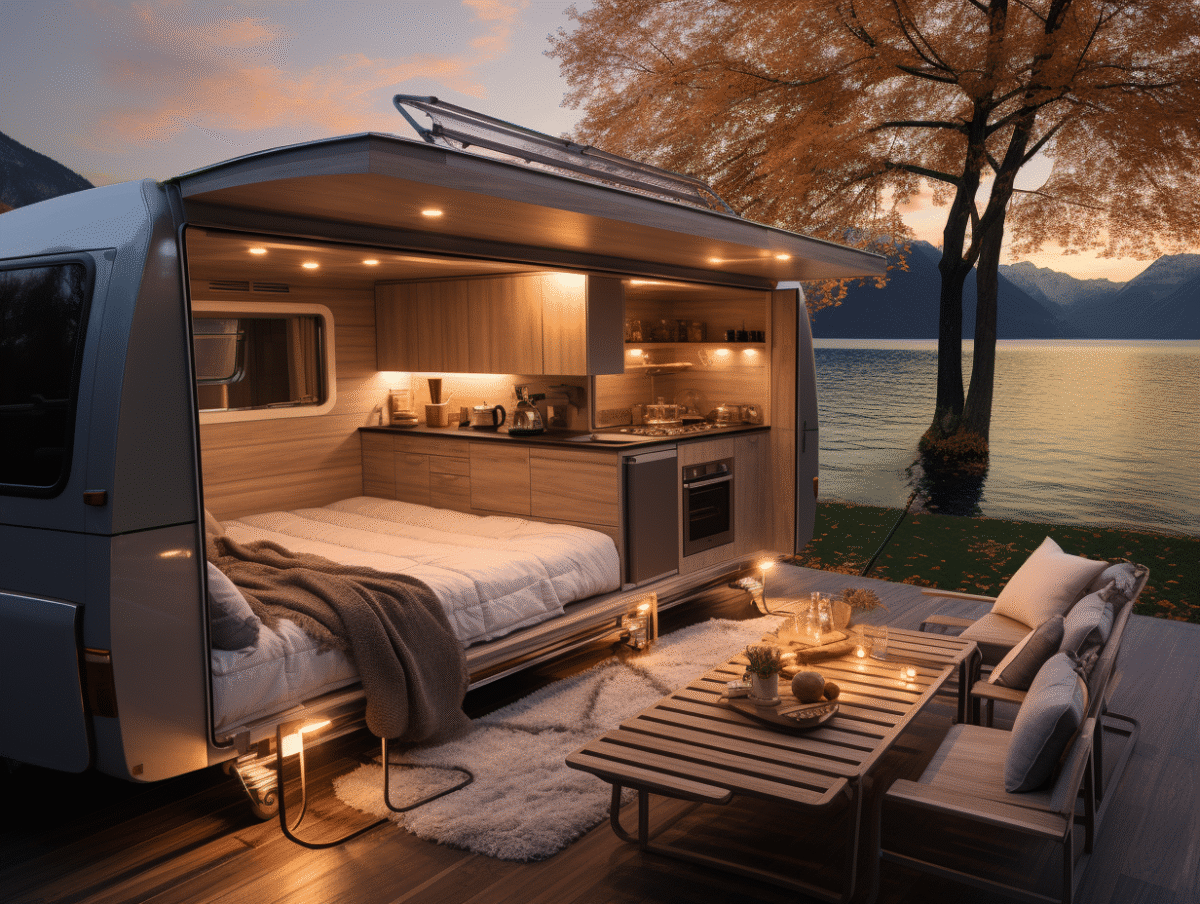
Transforming a truck into a mobile habitat is a growing trend among adventurers and modern nomads. This process, often referred to as “truck conversion,” requires careful planning to optimize the limited space. Owners must consider insulation, electricity, and clever storage solutions to create a functional and comfortable living space. The goal is to merge everyday necessities with the desire for freedom and mobility, allowing for travel without sacrificing the comforts of home. These customized rolling habitats reflect the creativity and ingenuity of their occupants.
Key Steps to Convert Your Truck into a Mobile Living Space
Choosing the Vehicle: The journey into mobile living begins with selecting the truck. Whether it’s a van from a reputable brand like Volkswagen, Renault, or Fiat Ducato, or a more unconventional vehicle, the choice should be guided by the available space and the vehicle’s robustness. The converted truck must be able to accommodate modifications without compromising its mechanics and maneuverability.
Designing the Space: Once the truck is chosen, the transition to conversion is essential. Inspired by ‘Some Turtles Have Nice Shells’, Kai, assisted by Benjamin, converted ‘The Ugly Truckling’ into a Tiny House on wheels. They envisioned a space where every square inch is optimized for storage and functionality. Consider the layout of living, sleeping, cooking, and bathing areas based on your needs and lifestyle habits.
Insulation and Comfort: Thermal and acoustic insulation is crucial for ensuring comfort inside the truck. ‘The Ugly Truckling’, comfortable in both summer and winter, features effective insulation and a wood stove. The quality of the insulation determines the viability of your mobile habitat against climate variations. Don’t overlook the flooring, which should provide both insulation and durability.
Energy Independence: Independence is the key word for mobile living. To travel without relying on external facilities, equip your vehicle with autonomous power systems, such as solar panels or high-capacity batteries. Managing water and wastewater is also essential for a peaceful and environmentally friendly journey.
Take inspiration from Kai’s story, who now lives in his converted truck, ‘The Ugly Truckling’. His dream of living in nature, adapted to economic and practical constraints, is realized in this truck transformed into a welcoming and self-sufficient home.
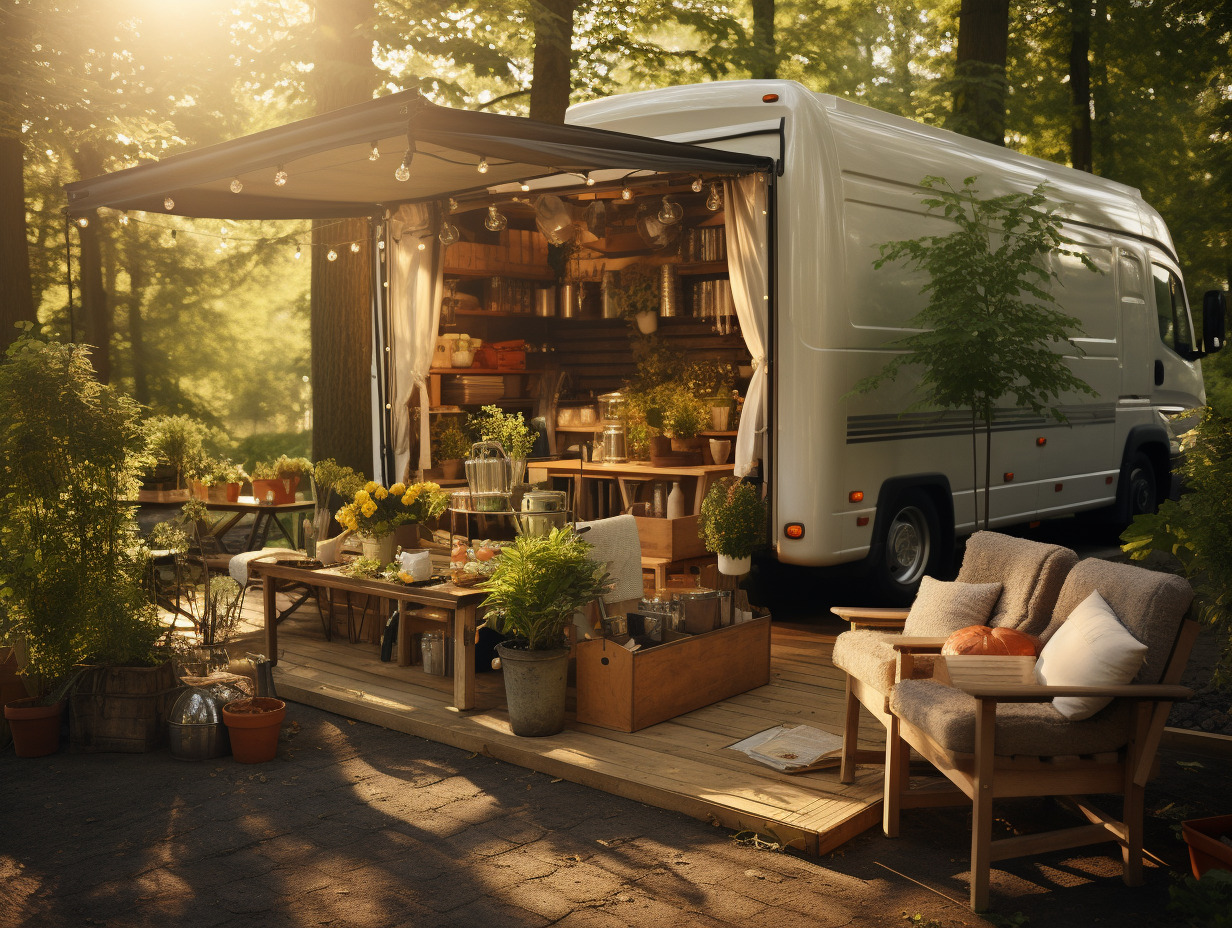
Practical Tips and Regulations for Living Peacefully on the Road
Insure Your Converted Vehicle: The vanlife, this quest for freedom on the roads, comes with responsibilities. Your truck converted into a habitat requires appropriate insurance. The coverage should not be limited to that of a standard vehicle; it must encompass the specifics of your rolling home. Consult offers from specialized insurers to find a plan that suits your nomadic lifestyle.
Approval and Legislation: The approval process is unavoidable. Your converted van must receive approval from the Regional Directorate for the Environment, Planning and Housing (DREAL) to be recognized as a residential vehicle. This process certifies that the modifications comply with the required safety and habitability standards. Once approved, the vehicle is reclassified as a VASP (Specialized Motor Vehicle), which can influence the cost of insurance and registration.
Respect the Environment: The trend is towards eco-friendly habitats. For eco-conscious nomads, using sustainable and environmentally friendly materials, such as sprayed cork for insulation, is essential. Similarly, responsible waste management, the use of renewable energy, and reducing water consumption are practices to integrate to minimize your ecological impact.
Prepare for Nomadic Life: Living on the road requires continuous adaptation. Vanlife enthusiasts must be ready to face various situations, from mechanical breakdowns to weather uncertainties. Familiarize yourself with local laws regarding parking and living in converted vehicles, which can vary significantly across Europe. Preparation and information are your allies for a serene and enriching adventure.