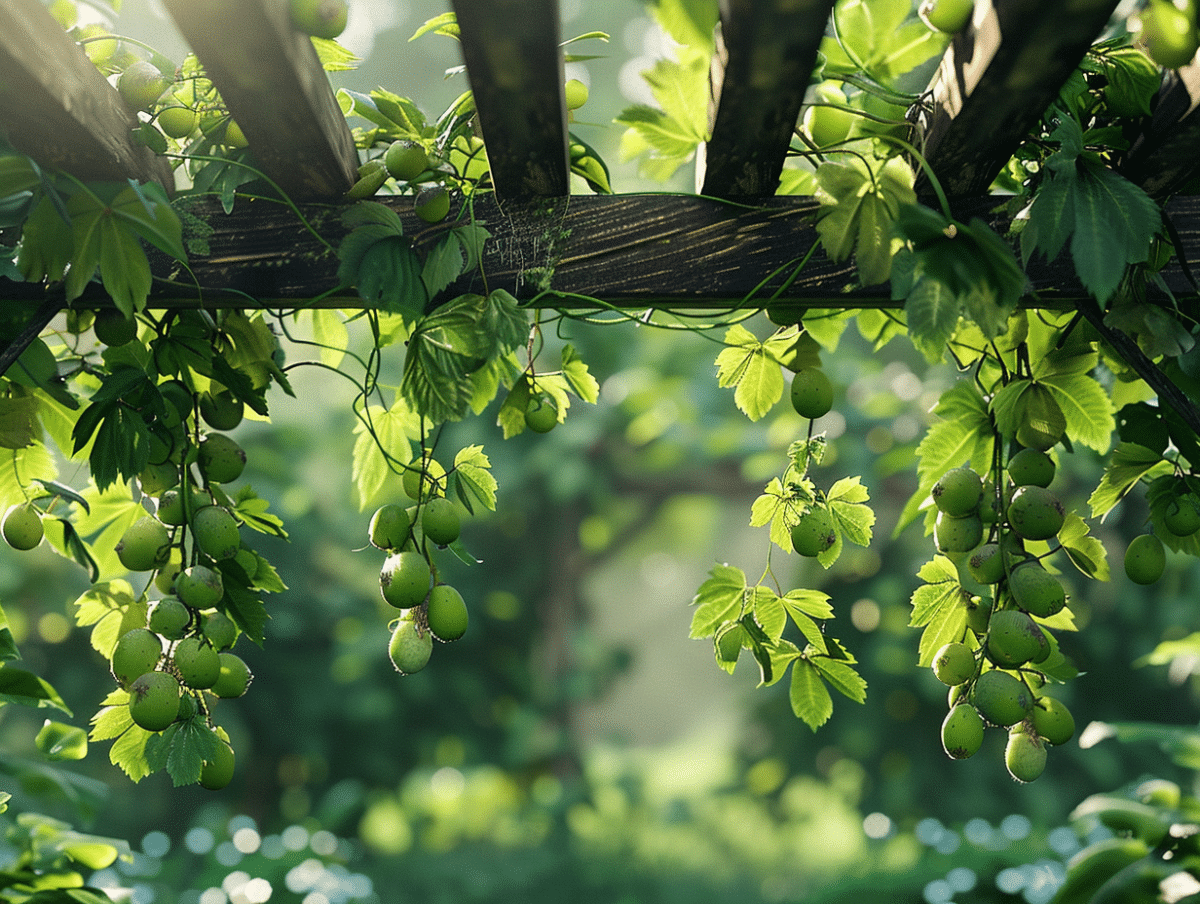
Growing kiwi in your garden can be exciting and rewarding, offering not only a delicious harvest but also a touch of exoticism to your green space. Originally from China, kiwi requires a mild climate, but some varieties have adapted to cooler conditions. The success of this cultivation relies on several key factors: selecting a variety suited to your region, establishing optimal soil and sunlight conditions, and carefully managing pruning and pollination. Gardeners must also be vigilant against diseases and pests that may affect these plants.
Preparing Your Garden for Kiwi Cultivation
The cultivation of kiwi, a climbing plant native to China, can successfully establish itself in gardens in France, provided the environment is suitable. Prepare the ground to accommodate this vigorous vine, which has significant nutrient needs. Choose a rich soil, deep, fertile, and well-drained, as these are crucial for the proper development of kiwi.
Tips for planting kiwi start with selecting robust plants from a recognized nursery. These professionals provide quality plants that are suited to the climate and conditions of your garden. The ideal time for planting the actinidia plant, commonly known as kiwi, is in the fall when the soil is still warm and the rains are not yet too abundant.
Installing a support for kiwi vines is a key step. This support must be sturdy enough to hold the weight of the future fruits and facilitate their maintenance. Pergolas, trellises, or even wires stretched between sturdy posts can serve as support. Consider the orientation, as kiwi is a plant that thrives in full sun, to ensure better fruit production.
Preparing the garden should take into account the space needed for the vine to spread. Kiwi plants, when fully grown, can reach several meters in length and require enough space to flourish without competition. Make sure to leave adequate distance between the plants to allow for optimal air circulation and reduce the risk of diseases.
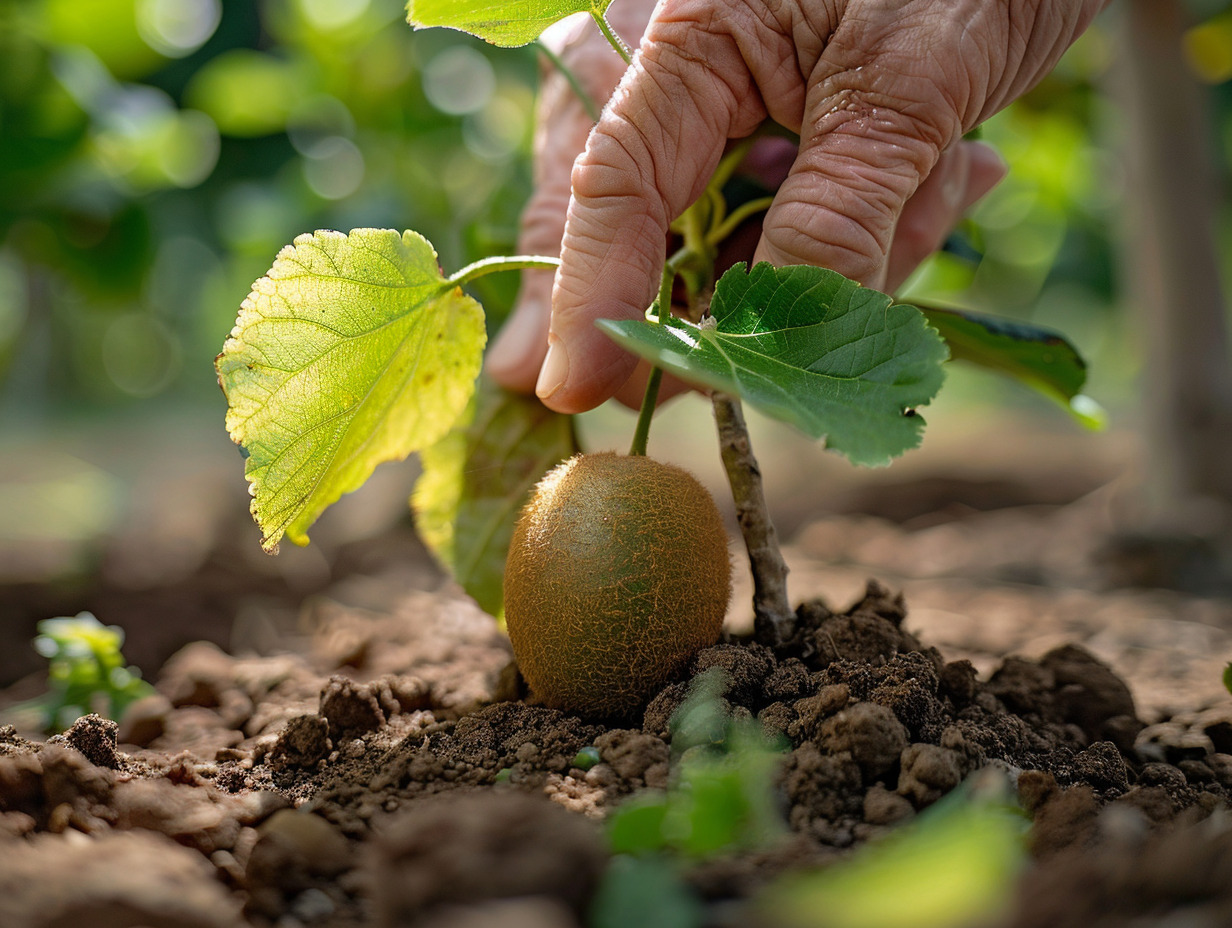
Techniques and Tips for Abundant and Healthy Kiwi
To achieve abundant and healthy kiwis, mastering pruning techniques is essential. Prune your kiwi vines during their dormant period, typically at the end of winter, to encourage good growth of the shoots and better fruiting. Remove dead or diseased branches, reduce suckers, and keep the structural branches. This practice aerates the tree’s structure and allows for better light exposure, thus ensuring quality fruits.
Pollination is a determining factor in kiwi cultivation. Know that the kiwi plant can be dioecious, requiring the presence of a male plant to fertilize the female flowers, or self-fertile, for some newer varieties like the ‘Actinidia deliciosa’ kiwi. To ensure a good harvest, plant several kiwi plants, paying attention to the ratio between male and female plants, or choose self-fertile varieties if space is limited.
Multiplying kiwi can be done in various ways, such as cuttings, layering, or grafting. These methods allow you to retain the characteristics of the mother plant and ensure the longevity of your orchard. Cutting propagation is often the most accessible for amateur gardeners. Take healthy cuttings in the summer and prepare them for rooting, creating conditions conducive to their development.