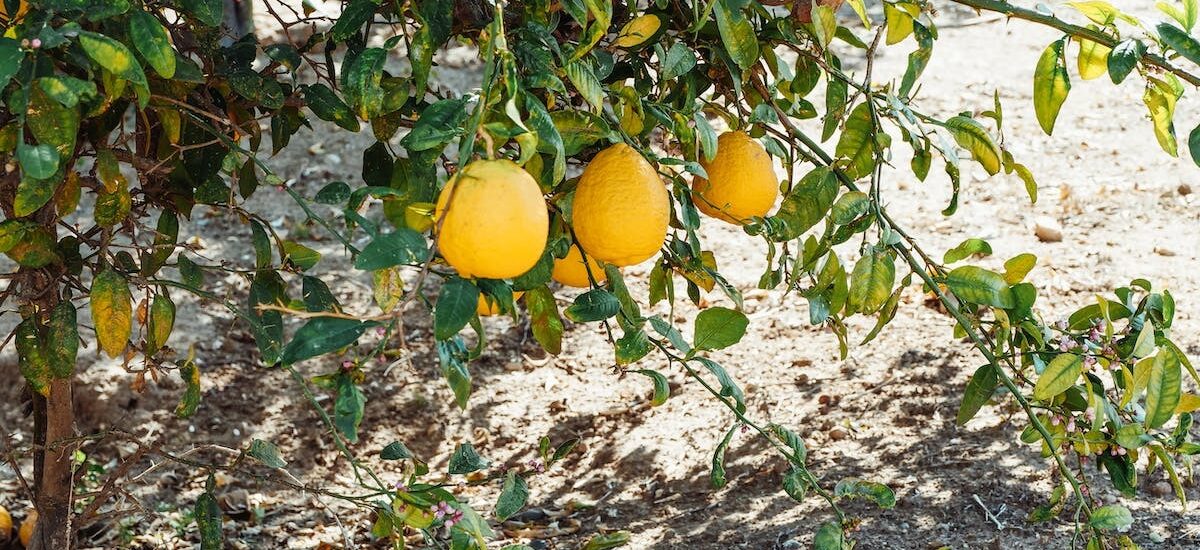
The lemon tree, with its bright yellow fruits and dark green leaves, is a highly appreciated plant. It sometimes happens that this perennial specimen shows alarming signs, notably yellowing and dropping of its leaves. Several factors can be behind these concerning symptoms, ranging from poor nutrition to unfavorable environmental conditions or the presence of diseases and pests. It is crucial for gardeners and farmers to understand these potential causes in order to intervene effectively and keep their lemon trees healthy.
The lemon tree: a fascinating fruit tree
The deterioration of lemon tree leaves is a common phenomenon that gardeners often encounter. The first sign that typically appears is that of the ‘lemon tree with yellowed leaves‘. This manifests as a visible transition from vibrant green to a paler, less bright hue • yellow.
The sudden appearance of ‘lemon tree yellowed leaves’ should not be ignored as they are often an indication of an underlying problem affecting the overall vitality of your tree. Several factors can cause this disconcerting change. Excessive sun exposure can induce stress for the tree and lead to a condition called chlorosis. This condition results in the discoloration of the leaves as they gradually lose their natural green pigment and take on an abnormally yellow color.
However, not all cases of ‘lemon tree yellowed leaves’ necessarily stem from overexposure to the sun or heat; although it is common in tropical regions where these trees are abundant. Waterlogged or poorly drained soils can effectively inhibit the necessary absorption of essential nutrients by the roots, invariably leading to this disturbing symptom.
Another reason behind the ‘lemon tree with yellowed leaves‘ could be related to a specific nutritional deficiency • particularly in iron and magnesium • two elements essential in the complex process that allows the production of chlorophyll, which gives their characteristic bright colors to healthy plants.
Pest attacks and other fungal infections such as those caused by powdery mildew (recognizable by its powdery texture covering partially or entirely the leaf blade), as well as a massive infestation with certain specific types of aphids can also lead to this problematic situation of ‘yellowed lemon tree leaves’.
In the face of these varied situations, it is essential to establish an appropriate routine for your lemon tree including: a correct level of sun exposure, without excess; also ensuring good soil drainage; providing sufficient nutrients through appropriate fertilizers that this beloved fruit species needs for its acidic juice and aromatic zest.
However, if you find that your ‘Citrus ×limon’ continues on its unpleasant path of ‘yellowed lemon tree leaves’, after implementing all these known remedial measures, then it would be time to seriously consider calling in a qualified professional to accurately diagnose the issue before this worrisome phenomenon affects the entirety of your citrus plantation.
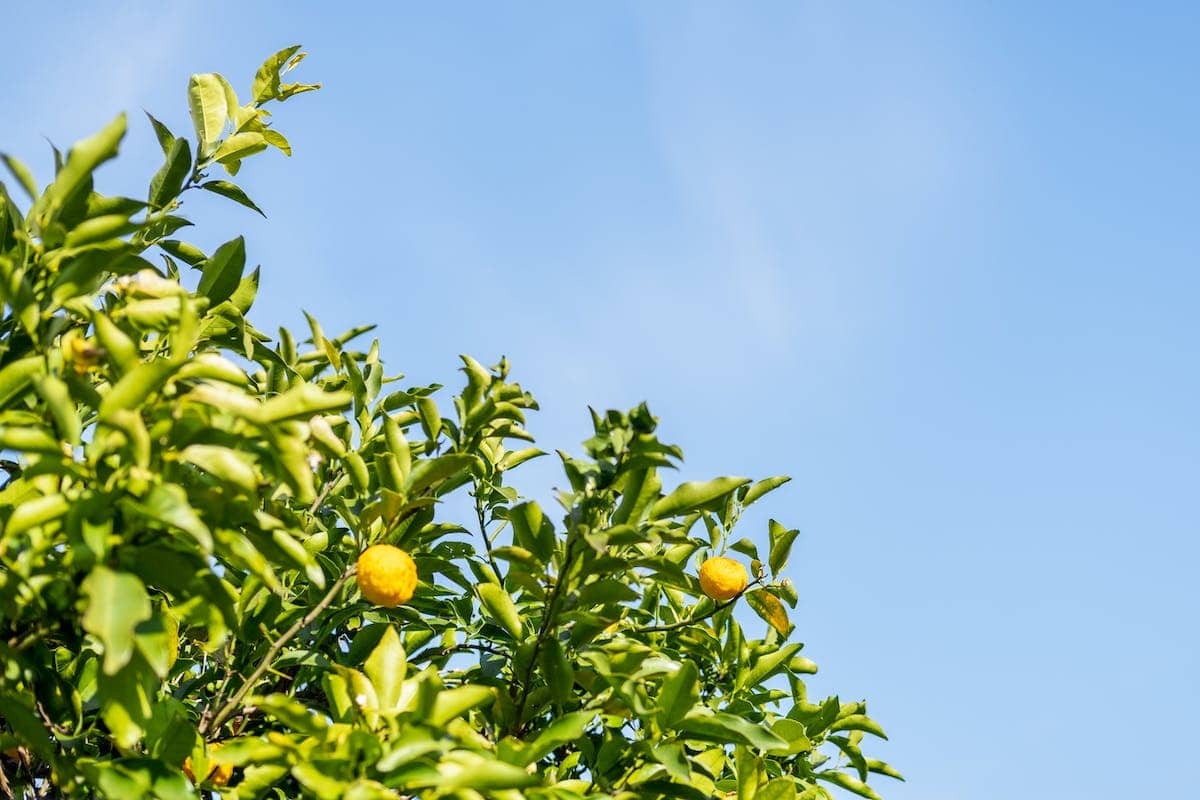
First signs of leaf deterioration
Environmental factors can also play a major role in the yellowing and dropping of leaves from the lemon tree. Among these factors, sudden temperature changes can be cited. Abrupt variations between day and night can cause thermal shock for the tree, leading to stress and degradation of its leaves.
A prolonged exposure to extreme temperatures, whether it is intense cold in winter or excessive heat in summer, can also be detrimental to the lemon tree. Low temperatures can damage plant tissues while high heat can cause excessive transpiration, leading to dehydration of the tree.
The quality of the soil is also an essential element to consider. Poor nutrient soil can lead to nutritional deficiencies in the lemon tree, which manifests as yellowing of the leaves. If the soil pH is not balanced, it can affect the absorption of minerals necessary for the healthy growth of the tree.
It should be noted that certain pathogenic fungi present in the soil can attack the roots of the lemon tree and thus cause a gradual yellowing of its leaves before their complete drop.
To prevent these environmental problems and keep your lemon tree healthy, it all starts with proper planting in a suitable location. Gardeners, ensure that your tree is positioned in a spot that receives adequate sunlight and offers protection from strong winds. Be sure to choose well-drained soil rich in organic matter to promote healthy root growth.
In summary, the yellowing and dropping of leaves from the lemon tree can be caused by various environmental factors such as sun exposure, inadequate soil drainage, nutritional deficiencies, pest or fungal attacks, as well as sudden temperature changes. By taking care of these key aspects and closely monitoring the health of your tree, you can minimize the risk of undesirable leaf problems.
Environmental factors responsible for yellowing and dropping of leaves
Nutritional deficiencies are also a major factor behind the yellowing and dropping of leaves in lemon trees. These trees have specific nutrient needs to maintain their health and vitality.
One of the most common nutritional deficiencies in lemon trees is nitrogen deficiency. Nitrogen is an essential element for the growth and development of seedlings, but insufficient supply can lead to the characteristic yellow discoloration of leaves. Lemon tree seedlings lacking nitrogen may see their leaves wilt, lose their vibrant green luster, and ultimately fall prematurely.
Another frequent deficiency is that of iron. Iron plays a crucial role in chlorophyll formation, which allows seedlings to perform photosynthesis and thus produce their own food. A lack of iron leads to a decrease in chlorophyll production, resulting in a gradual yellowing of the leaves from the bottom up on the tree.
Potassium is also essential to prevent yellowing and premature dropping of leaves in lemon trees. This mineral helps regulate the water balance within plant cells, promotes good water absorption by the roots, and thus strengthens leaf tissues against environmental stress. A potassium deficiency can weaken the lemon tree’s immune system, making it more vulnerable to diseases and pests.
The magnesium deficiency is another potential cause of yellowing of leaves in lemon trees. Magnesium plays a key role in chlorophyll production and is also involved in many metabolic processes essential within seedlings. A lack of magnesium results in yellowing between the veins of the leaves, while the veins remain dark green.
To prevent these nutritional deficiencies, it is crucial to regularly provide appropriate fertilizers containing necessary elements such as nitrogen, iron, potassium, and magnesium. A soil analysis can be helpful to determine what specific deficiencies exist in order to properly adjust the nutrition of the lemon tree.
Nutritional deficiencies can often be the cause of yellowing and premature dropping of leaves in lemon trees. Ensuring the provision of all essential nutrients will help avoid these undesirable leaf problems and keep your tree in full health.
Nutritional deficiencies behind the problem
Diseases and pests are also important factors that can affect the health of lemon tree leaves. Among the common diseases are root rot or anthracnose, a fungal infection that causes blackening and wilting of the leaves. This disease can spread rapidly if not treated properly.
The citrus scab is another common affliction in these fruit trees. It is caused by a small insect called Psylla, which sucks the sap from the tree and leaves behind a sticky substance called honeydew. This infestation leads to a general weakening of the tree, with a gradual yellowing of the leaves.
The bacterial infection known as bacterial canker can also cause discoloration and premature dropping of leaves in lemon trees. Symptoms include brown spots on branches and trunks, as well as the gradual wilting of the tree as a whole.
Another formidable pest for lemon trees is the mealybug. This small insect looks like tiny white cotton balls attached to the aerial parts of the tree. They also suck the sap, thereby weakening the tree and potentially causing leaf dieback.
To prevent these disease and pest-related problems, be sure to maintain your orchard well. This includes appropriate cultural practices, such as regularly removing dead leaves and disinfecting pruning tools to prevent the spread of infections.
The use of organic or environmentally friendly products can also help control diseases and pests. Preventive treatments can be applied using natural solutions containing insecticidal soap, for example, to eliminate harmful insects while preserving biodiversity in the garden.
By taking good care of your fruit trees, you can ensure their overall health as well as that of their lush leaves • a true asset for any passionate gardener.
Diseases and pests: threats to the leaves
In the face of yellowing and dropping of leaves from the lemon tree, it is important to adopt a proactive approach to prevent and treat these problems. Here are some solutions recommended by experts:
Regular watering: Ensure that you provide an adequate amount of water to your lemon tree, avoiding both excess and lack of watering. Constantly moist soil promotes the development of fungal diseases, while soil that is too dry can lead to water stress in the tree.
Soil amendment: Enrich the soil around your lemon tree with nutrient-rich organic composts such as decomposed manure or garden compost. This will improve soil structure and ensure a sufficient supply of nutrients necessary for leaf health.
Appropriate fertilization: Use a balanced fertilizer specifically formulated for citrus to meet the specific nutritional needs of the lemon tree. Be sure to carefully follow the instructions on the package to avoid over-fertilization that could burn the roots.
Pest control: Regularly inspect your tree for signs indicating a pest infestation such as the presence of mealybugs or other harmful insects. If necessary, use biological methods or insecticides specifically designed for citrus to eliminate these pests.
Proper pruning: Regularly remove dead, diseased, or damaged branches to promote good air circulation and prevent the spread of fungal diseases.
Solutions to prevent and treat this leaf problem
Winter protection: Frost can be harmful to lemon trees, especially in regions with harsh winters. Protect your tree by wrapping it in fabric or using heating devices specifically designed for fruit trees.
Sun exposure: Ensure that your lemon tree receives adequate sun exposure to promote optimal photosynthesis and healthy leaf growth. However, avoid excessive exposure to direct sunlight during the hottest hours to prevent leaf burning.
Humidity control: Lemon trees prefer a slightly humid environment with humidity levels between 40% and 60%. If you live in a dry air region, use a humidifier or place a tray filled with water near your tree to increase ambient humidity.
Crop rotation: If you grow multiple citrus trees in your garden, it is recommended to practice crop rotation to avoid the spread of diseases and soil depletion. Alternate the location of your lemon trees with other types of plantings each year.
By following these simple yet effective tips, you can help prevent yellowing and premature dropping of leaves on your lemon tree. Remember that each situation is unique and it is always best to consult a specialist in case of doubt or persistent problems. By properly caring for your lemon tree, you will be able to fully enjoy its juicy and fragrant fruits year after year.