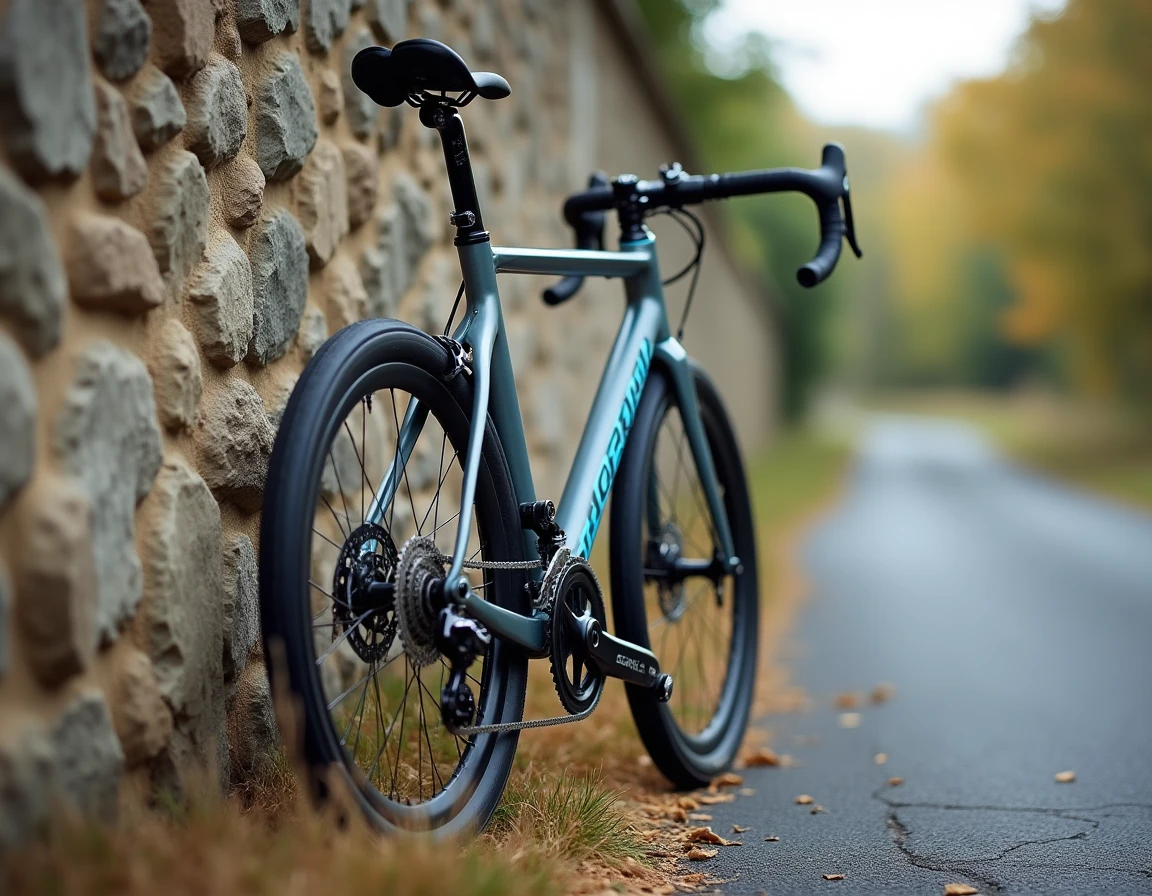
The Scott Speedster 60 is an entry-level aluminum frame road bike from the Swiss manufacturer. Its carbon fork, endurance-oriented geometry, and Shimano Claris groupset make it a model often recommended for a first experience on the road. Here’s how it performs once on the asphalt.
Aluminum Frame and Carbon Fork of the Scott Speedster 60: What This Combination Changes

The choice of a aluminum frame paired with a carbon fork is significant for a bike in this segment. Aluminum provides appreciable lateral stiffness when pedaling, while the carbon fork filters out some of the vibrations transmitted by the road. This duo of materials defines the character of the Speedster 60: responsive without being harsh.
The geometry of the frame deserves attention. Scott positions the Speedster not as a pure racing bike, but as a versatile endurance road machine. The head tube is slightly taller than on the Addict range, raising the handlebar position. The direct consequence: less pressure on the wrists and lower back during long rides.
A point that cycling forums regularly highlight concerns the weight. On an entry-level aluminum frame, the complete bike is heavier than carbon models, which is noticeable on climbs. However, the robustness of the frame absorbs road imperfections, gravel, and daily wear without complaint. For those seeking a review of the Scott Speedster 60 before their first road purchase, this structural solidity is just as important as the grams saved.
Shimano Claris Groupset: Daily Transmission and Braking
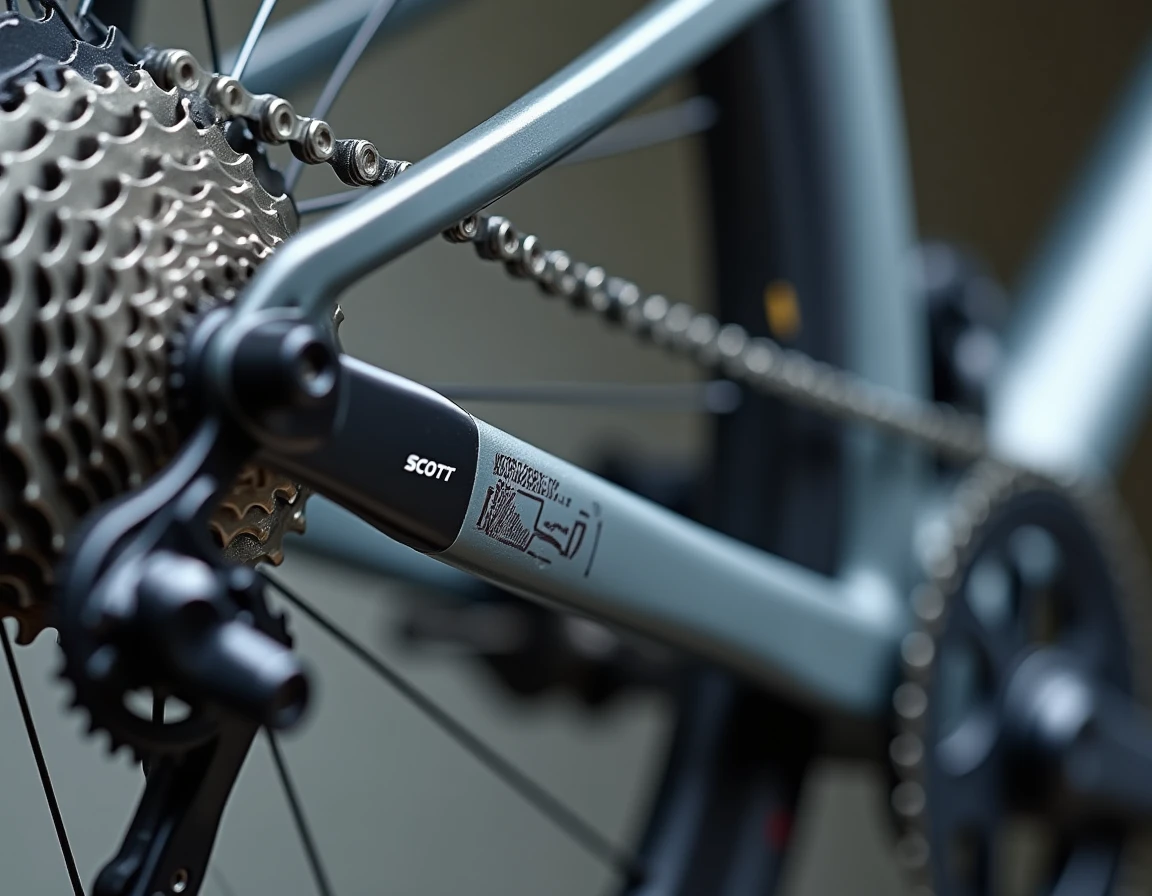
The Shimano Claris is an 8-speed groupset. Compared to the 10 or 11-speed groups found on more expensive bikes, the gap between each gear is wider. In practical terms, the transition from one cog to another is more noticeable in the legs, especially on hilly terrain.
The Claris derailleurs operate with precision as long as they are properly adjusted. The compact double chainring crankset allows for tackling moderate climbs without difficulty. For steeper ascents, the gear range may seem limited compared to a Sora or Tiagra groupset, which offer more graduated cassettes.
On the braking side, the Speedster 60 comes with rim brakes (calipers on the rim). Their effectiveness remains adequate in dry conditions. In the rain, the braking distance increases significantly. This point clearly distinguishes this model from bikes equipped with disc brakes, which have become common in recent ranges.
Points to Watch on the Claris Transmission
- The original cables and housings loosen after a few hundred kilometers, requiring a quick adjustment at a bike shop
- The rear derailleur does not tolerate lateral shocks well (parking, transport), a spare derailleur hanger is inexpensive and avoids an unpleasant surprise
- Compatibility with wider cassettes is limited by the number of speeds, an upgrade to Sora requires changing several parts simultaneously
Road Behavior of the Speedster 60: Comfort, Acceleration, and Limits
On flat and rolling terrain, the Speedster 60 is pleasant to ride. The stiffness of the aluminum rear triangle effectively transmits energy while pedaling, and the accelerations are sharp for a bike at this price point. The steering is stable at high speeds, without unwanted nervousness.
Comfort largely depends on the tire setup. The original tires, often in 25 mm width, transmit every road imperfection. Upgrading to 28 or 32 mm tires transforms the bike’s behavior: better absorption, superior grip, and increased feeling of safety on degraded surfaces. This tendency to upgrade the original tires is quite common among Speedster owners, who thus make it a bike for commuting or training year-round.
The limits of the frame become apparent on technical descents and prolonged sprints. The carbon fork partially compensates, but the overall setup falls short compared to a full carbon frame in terms of high-speed handling precision. For regular training and Sunday rides, this compromise holds up well.
Scott Speedster 60: For Which Cyclist Profile
This bike is aimed at a specific audience. Beginners in road cycling will find a reliable base to learn the fundamentals: position, pedaling cadence, effort management. Urban cyclists looking for a bike capable of handling rides of several dozen kilometers on weekends will appreciate its versatility.
However, an experienced cyclist seeking pure performance will quickly find limitations with the Claris groupset and the weight of the frame. The Speedster 60 is not designed for competition, even at an amateur level.
Selection Criteria Against Alternatives
- The aluminum frame / carbon fork ratio remains relevant compared to all-aluminum bikes in the same price range
- The availability of Shimano Claris parts facilitates maintenance, even with a general mechanic
- Resale value is strong thanks to the reputation of the Scott brand, provided the bike is kept in good condition
- Tire clearance allows for wider tires than the catalog setup, broadening possible uses
The Scott Speedster 60 fulfills its role as a reliable and durable first road bike. Its endurance geometry and solid construction make it a coherent choice for regular riding without worrying about material fragility. The only investment to consider shortly after purchase: a pair of wider tires and better inner tubes, to fully exploit the frame’s potential.